Polyurethane Floor Coating
in Kamloops, BC
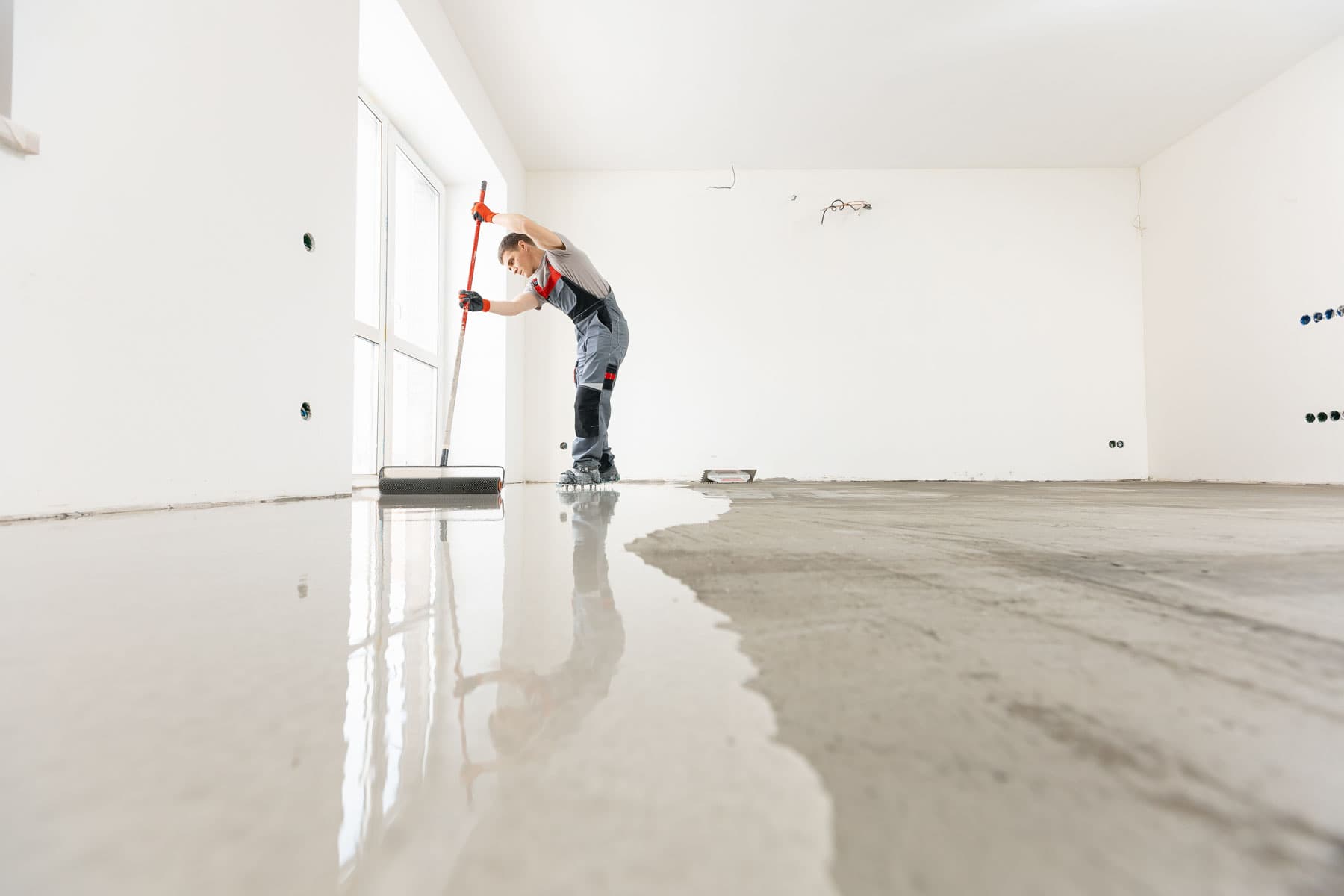
Polyurethane floor coatings are high-performance protective finishes used as topcoats over epoxy base systems or as standalone coatings on concrete, wood, and previously coated surfaces. Aliphatic polyurethane is harder and more abrasion-resistant than standard epoxy finishes, UV-stable against yellowing, and chemically resistant to a broader range of solvents and cleaning agents. We use polyurethane topcoats in applications where abrasion, chemical exposure, or UV stability are the primary concerns.
What's included
- Surface assessment and prep (abrasion of existing coating or diamond grinding of concrete)
- Primer or bonding coat where required
- Two-part aliphatic polyurethane topcoat application
- Anti-slip aggregate broadcast as required
- Cure inspection and return-to-service schedule
- Maintenance guide for polyurethane coated floors
When you need this service
Existing epoxy floor that needs a harder, more abrasion-resistant topcoat
Commercial or industrial floor with significant UV exposure or chemical contact
High-traffic areas where scratch resistance and long-term durability are priorities
Any floor where you want a clear, non-yellowing protective finish
Our process
Assess the existing surface — adhesion test if coating over existing epoxy, moisture test if over bare concrete
Light abrasion or grinding to create mechanical key for the polyurethane
Apply two-part aliphatic polyurethane in controlled coating thickness
Anti-slip aggregate broadcast into wet coat if required
Cure inspection — full hardness reached at 24–72 hours depending on temperature
Why choose Elite Epoxy for polyurethane floor coating
- Aliphatic formulation: UV-stable, won't yellow under sunlight or indoor UV sources
- Higher abrasion resistance than standard epoxy topcoats
- Works over existing epoxy systems without full strip-down in many cases
- Available in matte, satin, and gloss sheens
- Chemically resistant to cleaning solvents, oils, and many industrial chemicals
We install polyurethane floor coating throughout Kamloops and the surrounding Thompson Okanagan region. See all areas we serve →
What makes polyurethane different from epoxy as a floor finish
Polyurethane and epoxy are both two-part thermoset coatings, but their chemistry produces different performance characteristics that make each better suited to different roles. Epoxy excels as a base coat: it bonds aggressively to concrete, builds to significant thickness, and distributes mechanical stress well. Polyurethane excels as a topcoat: it's harder, more abrasion-resistant, UV-stable, and more chemically resistant than standard epoxy finishes.
The hardness difference is measurable. Standard epoxy finishes achieve 65–70 Shore D hardness. Aliphatic polyurethane topcoats typically reach 75–85 Shore D. That additional hardness translates directly to scratch resistance, abrasion resistance under foot and vehicle traffic, and resistance to the kind of surface wear that makes floors look dull and tired after a few years of use.
The UV stability difference matters more than most people expect. Standard epoxy is an aromatic compound — its chemical structure includes benzene rings that absorb UV light and undergo a photochemical reaction that causes yellowing and chalking. Aliphatic polyurethane doesn't have this structure and doesn't undergo the same UV degradation. A polyurethane-topcoated floor exposed to sunlight through a garage door or a commercial window stays clear and colour-true. An aromatic epoxy topcoat in the same position yellows noticeably within months.
Where polyurethane topcoats outperform other options
Polyurethane makes the most sense in three categories of application: high-abrasion environments, UV-exposed locations, and chemically demanding spaces.
High-abrasion environments include auto shops where vehicles are pulled in and out constantly, commercial floors with significant foot traffic and cart movement, and industrial floors with rolling loads. The harder polyurethane surface resists the micro-scratching and scuffing that dulls softer epoxy finishes over time.
UV-exposed locations include any floor near windows, skylights, or open garage doors — essentially any floor that sees direct or indirect natural light. The UV stability of aliphatic polyurethane means the finish stays clear and the colours beneath it stay accurate over the coating's lifespan.
Chemically demanding spaces — where cleaning solvents, fuel, brake fluid, or industrial chemicals are present — benefit from polyurethane's broader chemical resistance profile. While epoxy has good chemical resistance, aliphatic polyurethane is generally rated for a wider range of chemical contacts, making it the topcoat of choice in automotive service, food processing, and chemical handling environments.
Technical DetailApplying polyurethane over an existing epoxy floor
One of the practical advantages of polyurethane topcoats is that they can often be applied over existing epoxy floors that are in good condition but showing surface wear. If your existing epoxy is well-bonded, free of delamination, and the surface just needs to be harder or more UV-stable, a polyurethane topcoat can extend the floor's service life without a full strip-and-redo.
The process starts with an adhesion assessment. We test the existing epoxy for bond strength and check that it's fully cured. The surface is then lightly abraded — typically with a floor grinder with fine tooling or a rotary buffer with scotch-brite pads — to create a mechanical key for the polyurethane without removing significant material. Any areas of delamination, bubbling, or cracking need to be repaired before the topcoat goes on.
The polyurethane is then applied in the specified film build. Two-part aliphatic formulations have a working time of 30–60 minutes, so application requires organized execution across the floor area. Coverage rate and film build are controlled to achieve the specified dry film thickness — typically 2–4 mils per coat. Most applications are one or two coats. Full hardness is reached at 24–72 hours, with return to light traffic possible sooner depending on temperature.
Common epoxy floor questions
Everything you want to know about epoxy floors before picking up the phone.
A professionally installed epoxy floor typically lasts 10–20 years with normal use. Garage floors in harsh climates like Kamloops can expect 10–15 years with proper maintenance.
Your epoxy floor won't
coat itself.
Call us or fill out the form and we'll get back to you the same day. Free on-site quotes with no obligation.